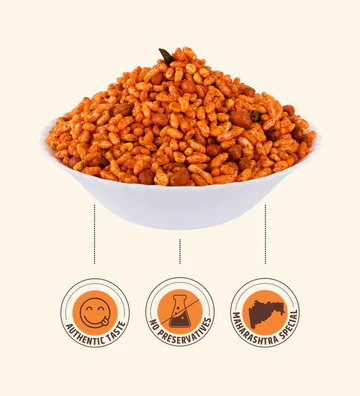
Snacking has always been part of Indian food culture. It is not limited to hunger alone. Snacks are connected to conversations, evening tea, family visits, festivals, travel, and everyday comfort.
In many homes, namkeen quietly becomes part of daily routine without much planning. A small bowl placed next to tea during evening conversations. A crunchy mixture packed for train journeys. A spicy snack shared while guests visit unexpectedly. These moments feel ordinary, but they create familiarity and comfort that people remember for years.
That is why traditional namkeen continues holding an important place in Indian households.
Here’s the thing. Even though eating habits are changing and packaged foods are available everywhere, people still look for snacks that feel authentic and emotionally familiar. They want flavors connected to regional food traditions rather than generic mass-produced products.
This growing interest is one reason namkeen online has become increasingly popular.
Online access allows families to enjoy traditional Indian snacks more easily, especially when regional products are difficult to find locally. It also helps preserve local snack traditions while making them more accessible to modern households.
What makes this interesting is that namkeen is no longer viewed as just a quick snack. It has become part of a larger shift toward authentic regional foods and homemade-style eating habits.
Why Traditional Namkeen Still Matters in Indian Homes
Indian meals and snack habits are deeply connected to sharing. Unlike individual packaged snacking cultures seen elsewhere, Indian snacks are often served communally.
Namkeen fits naturally into that tradition because it works across multiple situations:
- tea-time snacks,
- festive gatherings,
- travel food,
- guest serving,
- lunchbox additions,
- and casual family conversations.
This versatility explains why namkeen has remained relevant across generations.
Traditional Indian snacks also carry strong regional identity. Different states developed unique namkeen styles using local ingredients, spice preferences, and preparation methods.
For example:
- Maharashtrian snacks often carry bold spice layers,
- Gujarati farsan may balance sweetness and crunch,
- South Indian mixtures frequently include curry leaves and roasted lentils,
- and North Indian namkeen varieties often focus on stronger masala seasoning.
These differences create variety while preserving local food culture.
Over time, many families developed emotional attachment to specific regional snack flavors. A certain sev mixture may remind someone of childhood evenings. A spicy chivda may bring back festival memories. Familiar namkeen combinations often become part of everyday family routines without people even realizing it.
That emotional familiarity matters more than many brands understand.
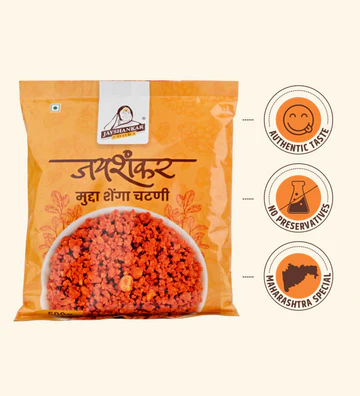
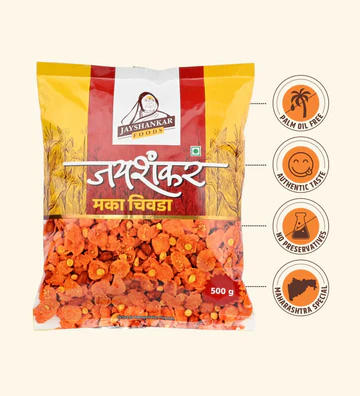
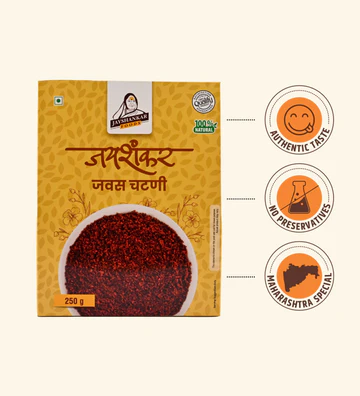
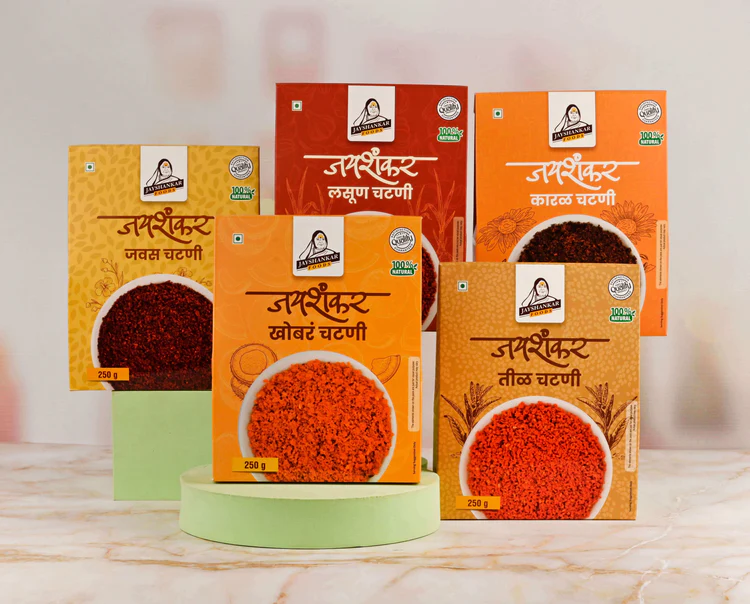
Authentic regional snack products available through Jay Shankar Lamboti Foods continue helping households stay connected to traditional Indian snacking habits through regional flavors and homemade-style preparation.
How Namkeen Improves Everyday Snacking at Home
Most families are not preparing fresh snacks multiple times every day. Daily life is busy, and people often need practical food options that feel satisfying without requiring complicated preparation.
That is exactly where namkeen becomes useful.
Traditional namkeen helps:
- create quick tea-time snacks,
- satisfy light hunger between meals,
- improve travel food options,
- add variety to lunchboxes,
- and make casual gatherings easier.
A simple evening tea can feel more complete with crunchy namkeen served alongside it. Guests can be welcomed quickly without needing elaborate preparation. Children often enjoy small snack portions after school. Working professionals keep namkeen available for quick breaks during long workdays.
This practicality is one reason namkeen remains relevant even as eating habits evolve.
What this really means is that traditional snacks continue fitting naturally into modern lifestyles because they combine convenience with familiarity.
Namkeen also provides flavor diversity. Some people prefer spicy mixtures, while others enjoy lighter roasted snacks or sev-based combinations. Regional recipes create endless variations without changing the core role snacks play in daily life.
In many homes, namkeen becomes part of emotional routine rather than just eating habit. The experience matters as much as the snack itself.
Why More Families Are Buying Namkeen Online
One major shift in recent years is how people access traditional food products.
Earlier, families mostly depended on nearby sweet shops, local snack stores, or homemade preparation. Today, online food shopping has changed consumer behavior significantly.
Namkeen online is now easily accessible across cities, helping people enjoy regional snack varieties that may not be available locally.
This change matters for several reasons.
Easier Access to Regional Flavors
Families living away from their hometowns often miss familiar local snacks. Online availability makes those traditional flavors easier to enjoy regardless of location.
Convenience for Busy Households
People no longer need to visit multiple stores searching for specific regional namkeen varieties. Online ordering simplifies the process considerably.
Greater Product Variety
Customers can now explore:
- spicy mixtures,
- sev,
- chivda,
- farsan,
- roasted snacks,
- traditional regional namkeen,
- and festival snack varieties.
Support for Regional Food Businesses
Online visibility helps smaller snack producers reach wider audiences without depending only on local physical markets.
This growth is helping preserve traditional snack recipes that might otherwise remain limited to specific regions.
What People Look for When Buying Namkeen Online
Consumers have become much more selective about traditional food purchases online.
People are no longer buying snacks based only on packaging or price. They now pay attention to quality, freshness, and authenticity much more carefully.
When families buy namkeen online, they usually consider several important factors.
Freshness
Texture matters heavily in traditional snacks. Fresh namkeen should feel crisp and flavorful rather than stale or oily.
Authentic Taste
People want snacks that feel regionally authentic instead of overly commercialized.
Ingredient Quality
Oil quality, spice balance, and preparation standards strongly affect customer trust.
Packaging
Proper packaging helps preserve freshness during transportation and delivery.
Regional Identity
Many consumers specifically search for namkeen connected to particular cities or regional snack traditions.
Variety
Online platforms make it easier for families to explore multiple snack options instead of depending only on locally available products.
This growing awareness is improving quality expectations across the traditional Indian snack industry overall.
How Regional Namkeen Reflects India’s Food Diversity
India’s food culture is incredibly diverse, and namkeen reflects that diversity clearly.
Every region developed its own snack identity based on:
- local ingredients,
- climate,
- spice preferences,
- and cooking traditions.
Maharashtrian namkeen often includes roasted peanuts, garlic, curry leaves, and stronger spice combinations. Gujarati farsan may focus more on texture and balanced sweetness. South Indian snack mixtures frequently combine roasted lentils, coconut elements, and curry leaf seasoning.
These differences make regional namkeen more than simple snack products. They represent local food traditions and cultural identity.
Without continued consumer interest, many traditional snack recipes could slowly disappear over time.
That is why regional namkeen businesses matter. They help preserve traditional food habits while adapting them for modern lifestyles.
The Emotional Comfort of Familiar Snack Flavors
Food memories are often tied closely to smell and taste.
The aroma of spicy chivda or freshly prepared sev can instantly remind someone of:
- family gatherings,
- school vacations,
- festive celebrations,
- evening tea conversations,
- or hometown sweet shops.
That emotional connection explains why traditional snacks continue remaining important even when modern snack options are everywhere.
People often return to familiar namkeen because the flavors feel comforting and emotionally grounding.
For many families, these snacks create continuity between generations. Parents share the same regional snack habits with children that they experienced growing up themselves.
That familiarity keeps traditional Indian snacking culture alive in everyday life.
Why Namkeen Online Continues to Grow in Popularity
Namkeen online continues growing because it solves both practical and emotional needs at the same time.
It offers:
- convenience,
- wider accessibility,
- regional variety,
- authentic flavor,
- and connection with traditional food culture.
Busy households may not always have time to prepare traditional snacks from scratch, but they still want food experiences that feel familiar and satisfying.
Online access makes those experiences easier to maintain.
That balance between modern convenience and traditional flavor is exactly why namkeen online continues becoming more relevant across Indian households.
Final Thoughts
Traditional namkeen remains an important part of Indian food culture because it brings familiarity, flavor, and comfort into everyday routines.
From evening tea breaks to family gatherings and travel meals, namkeen continues fitting naturally into daily life across generations.
Online accessibility has simply made these traditional snack experiences easier to enjoy in modern households.
For many families, namkeen is not just a snack. It is part of shared moments, regional identity, and the comforting familiarity of Indian food traditions that continue evolving without disappearing.
Contact Us
Jayshankar Foods
Hotel Jayshankar Lamboti, Jay Shankar Foods, 25/2, Mohol, Lamboti, Solapur, Maharastra, 413213, India
+91 86866 89494
https://jayshankarlamboti.com/
Find Us On Social Media
Jayshankar Foods On Facebook